Adding EV Charging to a Building That Already Has a Network
An EV charger looks like an electrical project until you get to the part where it needs to talk to the internet, and that's where a lot of installs get stuck.
September 3, 2026 · 3 min read
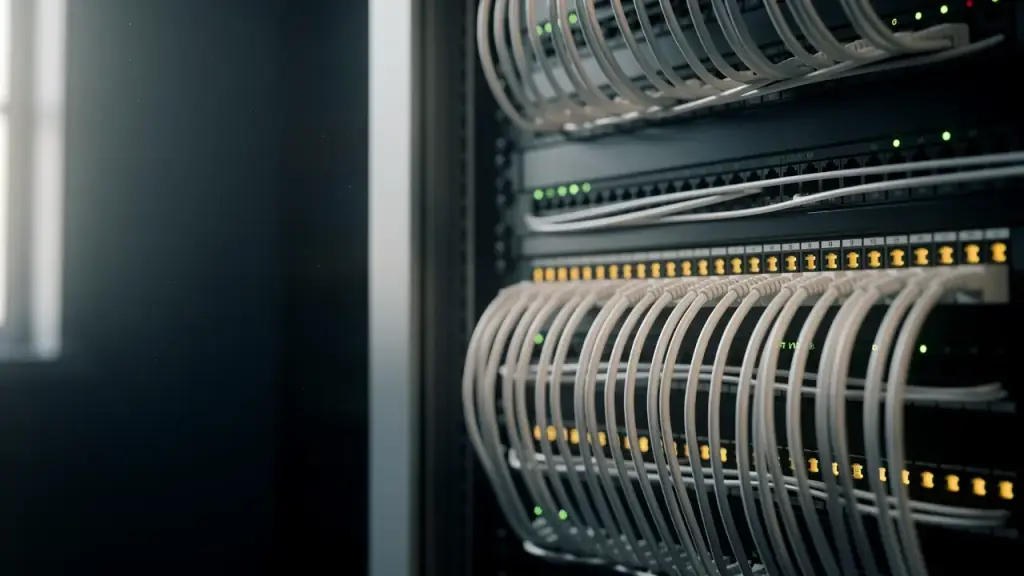
EV charging stations get sold and thought about as an electrical project, and the electrical side is real: a charger needs a dedicated circuit, sized correctly for the load, and in many buildings that means an electrician needs to check whether the existing panel has capacity or needs an upgrade. But for most networked chargers, the kind that track usage, support payment, or let a facility manager see status remotely, there's a second requirement that gets missed until installation day: they need data connectivity, not just power.
Why a charger needs more than a power circuit
A basic charger with no smart features is genuinely just an electrical install. But most commercial and multi-tenant EV chargers today are networked: they report status, log usage per session, support authentication so only authorized vehicles or tenants can charge, and in some cases handle billing. All of that requires the charger to reach a network connection, whether that's Wi-Fi, a hardwired ethernet drop, or cellular.
The problem is that chargers usually end up in parking lots, garages, or building exteriors, exactly the places your existing Wi-Fi doesn't reach well and where running a new cable drop wasn't part of the original building design. A project that starts as "install a charger" often turns into "extend the network to a part of the building that never needed it before," and that's a very different scope than most people expect walking in.
What to figure out before you install
- Does the charger you're considering actually need network connectivity, or does it work standalone? Read the spec sheet, not just the marketing page.
- If it needs connectivity, how will it get there: extended Wi-Fi coverage, a wired data drop, or a cellular connection built into the charger?
- Does your electrical panel have capacity for the added load, or does this trigger a panel upgrade?
- How many chargers might you add later? Planning conduit and capacity for two or three, even if you're installing one now, is far cheaper than trenching again in two years.
Load management matters as you add more chargers
One charger on a building's electrical system is usually a straightforward addition. Several chargers running at once is a different question, because charging equipment can draw a meaningful amount of power for hours at a time, and a building's electrical service has a ceiling. Load management systems exist specifically to handle this: they let multiple chargers share available capacity intelligently, scaling back individual chargers when several vehicles are charging at once rather than tripping a breaker or forcing an expensive service upgrade you didn't actually need. That's a conversation worth having before you commit to more than one or two chargers, not after.
Positioning for the chargers you don't have yet
Even if you're only installing a single charger today, it's worth thinking about the spot you're installing it in. Conduit and cable pathways are far cheaper to oversize during the initial install than to add later, once pavement or drywall has closed back up over the first run. If there's any real chance you'll add a second or third charger within the next few years, whether because of tenant demand, a fleet vehicle, or your own plans, ask about running extra conduit now, even if the additional chargers themselves come later. It's a small added cost during a project that's already underway, against a much larger one if a contractor has to reopen a finished area to add capacity.
Why this sits at the intersection of two trades
The reason EV charging projects go sideways so often is that they sit exactly between electrical work and network work, and a lot of contractors are set up to do one or the other, not both. An electrician who runs the circuit but has no plan for connectivity leaves you with a charger that can't report status or handle authentication. A network contractor who extends Wi-Fi to the parking lot but isn't coordinating with the electrical side can end up with a charger that's ready to talk to the network but isn't sized correctly for the load, or vice versa.
Getting both sides handled by people who are actually talking to each other, ideally the same team, is what keeps an EV charging install from turning into two separate projects that don't quite line up. It's a smaller version of the same argument that applies to cameras, access control and networking generally: the systems touch each other, so the people installing them should too.
Low Risers LLC, (703) 855-9235
Call (703) 855-9235More articles
What "Low Voltage" Actually Means for Your Building
Low voltage isn't one system. It's every wire in your building that isn't carrying line power, and it's usually smarter to have one team responsible for all of it.
Choosing a Camera System for a Small Commercial Building
More cameras isn't a better system. Here's what actually determines whether a camera system does its job when you need it to.